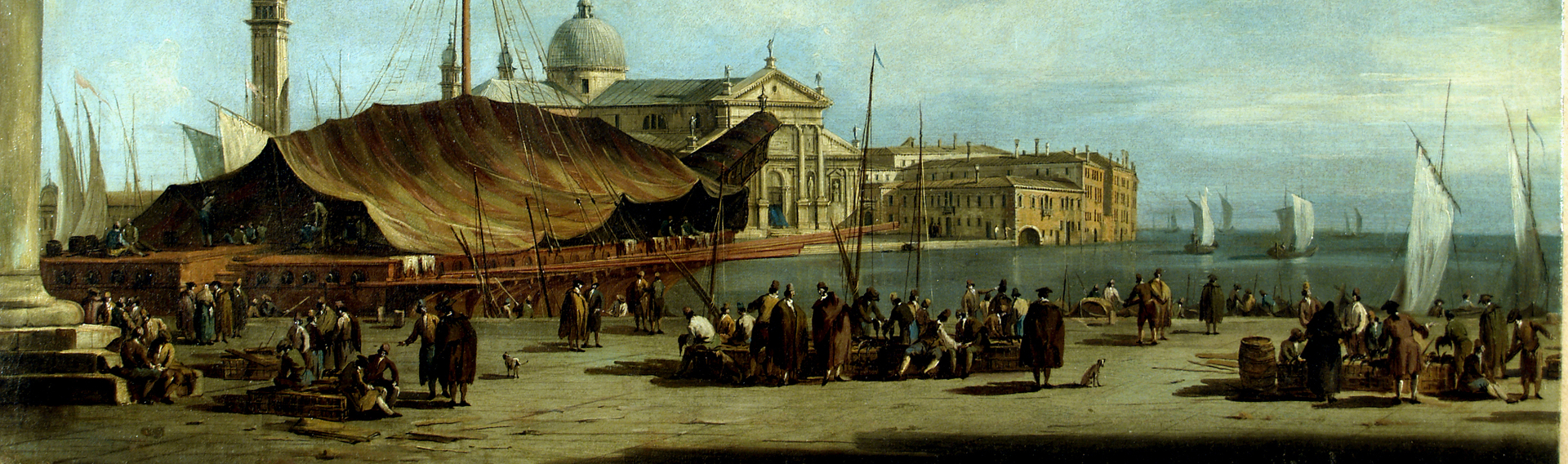
In this captivating setting, against an extraordinary architectural backdrop, the artworks, some 150 of them, are hung in chronological order, starting from the Middle Ages, via the Renaissance, through to the eighteenth century, or Settecento.
The exhibit starts with a display that evokes the innate sense of colour and the quintessential “joie de vivre” of the people of Treviso: a number of frescoes rescued from the many patrician homes, public buildings, as well as churches, that were scheduled for demolition, from the late-19th century onwards.
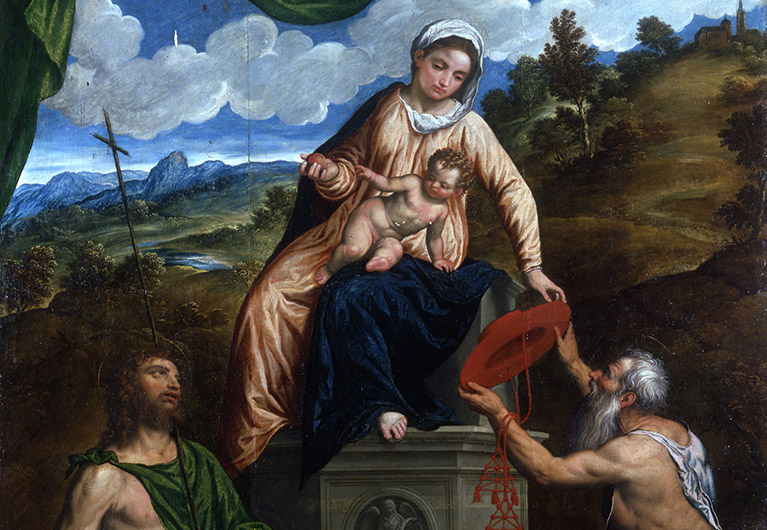
We move on to the museum’s Renaissance masterpieces, beginning with the works of Dario da Treviso (c.1420–c.1498), who introduced the use of classical Greek and Roman art as inspiration, from Padua where he had trained under Francesco Squarcione (1394–1468), another of whose pupils was Andrea Mantegna (c.1431–1506). Dario da Treviso also painted a portrait of Caterina Cornaro, the last monarch of the Kingdom of Cyprus.
The works of other artists who excelled in capturing light and colour in this period can also be seen in this section. They include Cima da Conegliano (c.1459-1518), Giovanni Bellini (c.1427–1516), Pordenone (c. 1484–1539), and Lorenzo Lotto (c. 1480–c.1556).
In the room dedicated to Mannerism, we see altarpieces by Paris Bordon (1500-1571) and Jacopo Bassano (1510–1592), while a highlight of the portrait gallery is the rendition by Titian (c.1485–1576) of Sperone Speroni, the Italian Renaissance humanist, scholar and dramatist who revised Torquato Tasso’s Jerusalem Liberated (Gerusalemme Liberata).
And then, we step into a reproduction of a Cabinet of Curiosities. These Wunderkammern were enclosed spaces containing carefully curated collections of paintings and artefacts designed to impress and amaze the visitor and were, in fact, the forerunners of today’s museums.
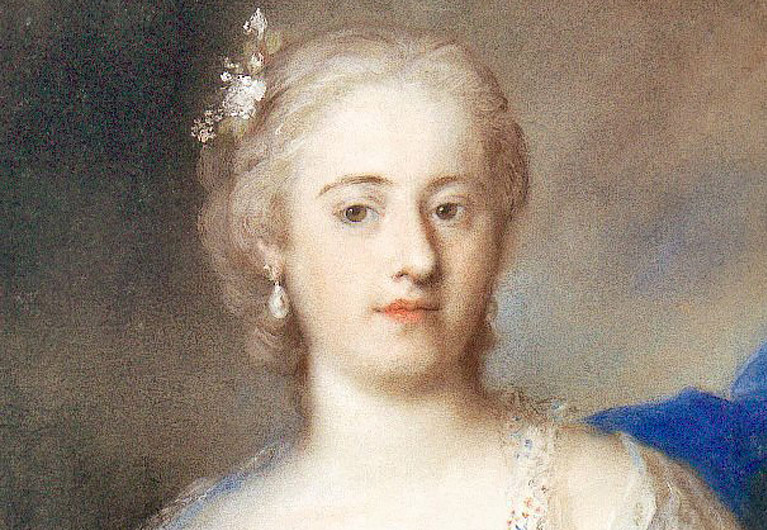
Completing our visit is a wide-ranging selection of artworks of the seventeenth and eighteenth centuries (the Seicento and Settecento), many of which have never been seen in public before. The artists include Francesco Guardi (1712–1793), Rosalba Carriera (1673–1757), Giovanni Marchiori (1696–1778), as well as Giambattista Tiepolo (1696–1770), also known as Giovanni Battista or Gianbattista, and his son, Giandomenico Tiepolo (1727–1804).
This deep dive into several centuries of sublime art treasures is not an end in itself, however, but prompts us to proceed on our voyage of discovery by exploring of the contemporary art collection that can be found in the recently renovated Museo Luigi Bailo.